



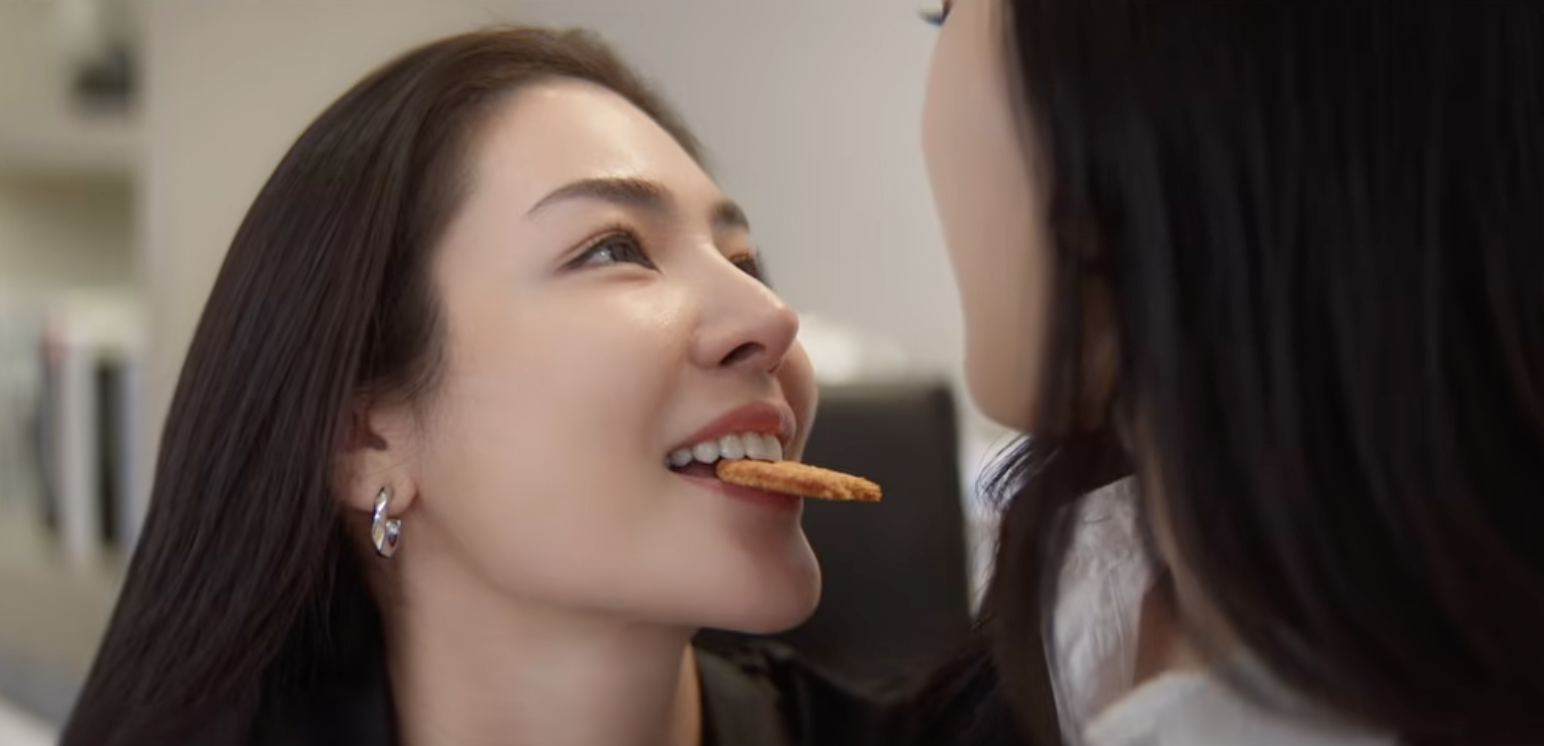
At first glance, the naming convention of pairing names might seem lacking in creativity, but there’s actually a cultural and historical context behind it.
Cultural Influence from Japan
Thai culture in this area is heavily influenced by Japanese traditions, particularly in the way roles are defined in same-sex relationships, similar to the terms “top” and “bottom” used in Western contexts.
In Japan, these roles are referred to as:
攻め (Seme): The dominant or leading role in the relationship, characterized by strength, assertiveness, or authority.
受け (Uke): The receptive or supporting role, often portrayed as gentler, more sensitive, or in need of care.
In Thailand, these terms have been adapted and simplified into “Me” (from Seme) and “Ke” (from Uke), creating a shorthand representation of these dynamics.
Position and Naming Convention
Once the roles of “Me” and “Ke” are established, the placement of names follows a specific pattern, often reflecting the roles in the relationship:
Po-left (Left Position): Indicates the dominant role (Me).
Po-right (Right Position): Indicates the receptive role (Ke).
For example: LingOrm: Ling (dominant) precedes Orm (receptive). NamtanFilm: Namtan (dominant) leads Film (receptive). MilkLove: Milk (dominant) is placed before Love (receptive). EngLot: Eng (dominant) comes before Lot (receptive).
How Does This Work in Practice?
When people question the order of names, the response often reflects the roles in the pairing:
OrmLing?
Orm would insist, “No, it must be LingOrm only.”
FilmNamtan?
Film might say, “It could work, but since I’m younger than Namtan, does it feel right?”
The Final Takeaway
The naming conventions in Thai Girl Love and Thai Boy Love fandoms always follow the “Me or Ke” or “Top or Bottom” positions, maintaining consistency and reflecting the dynamics of the characters or individuals in the pairing.
Original post on X: https://x.com/juth/status/1881717458110931241?s=20